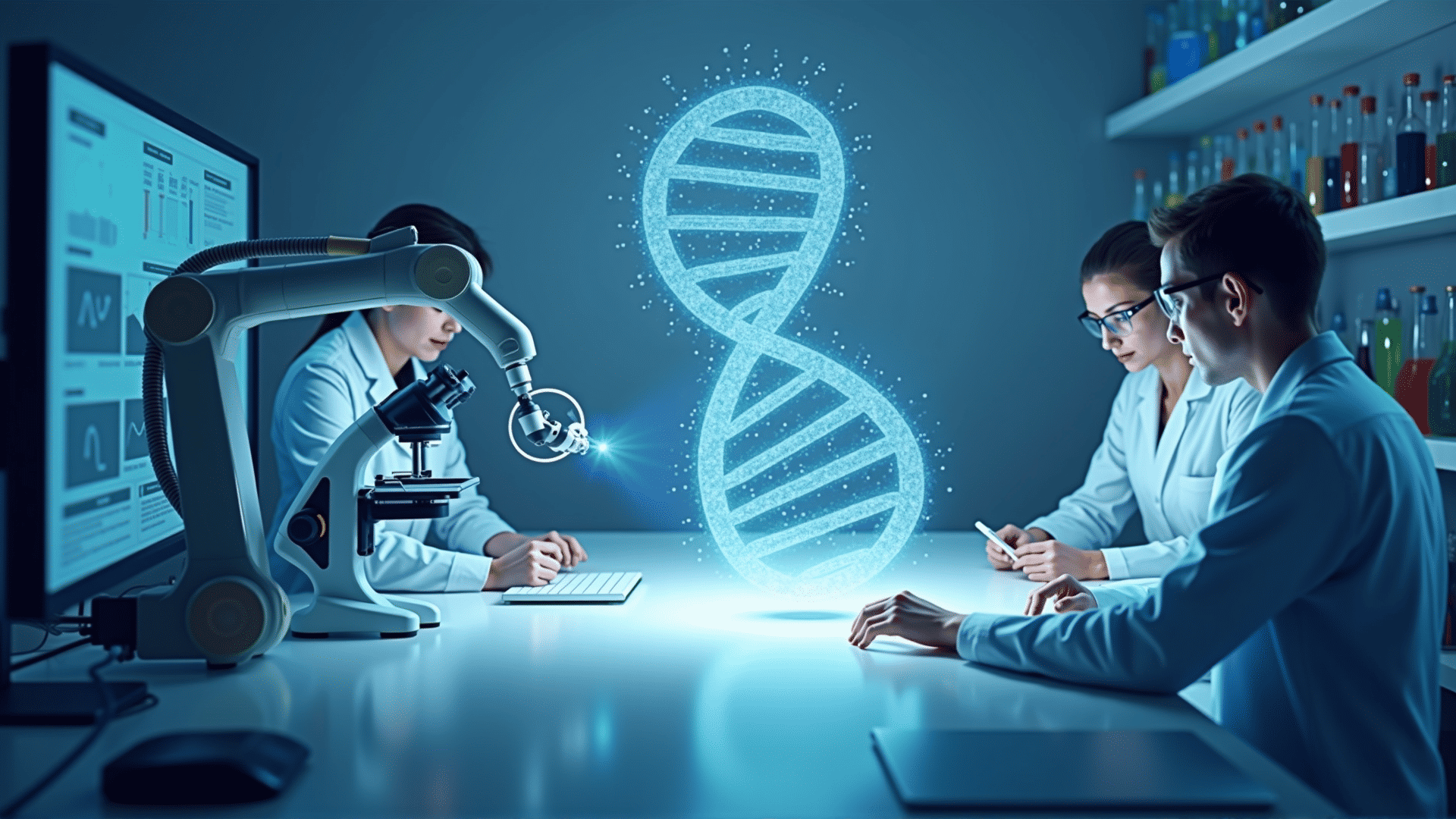
CRISPR technology has emerged as a groundbreaking tool in the field of genetics, offering unprecedented possibilities in the treatment and understanding of genetic disorders. Named after the clustered regularly interspaced short palindromic repeats found in the DNA of bacteria, CRISPR-Cas9 has become a powerful method of gene editing that is revolutionizing medicine and personalized healthcare.
At the core of CRISPR’s transformative potential is its ability to accurately and efficiently target and modify specific DNA sequences within the genome. This capability opens up new avenues for correcting genetic mutations that underlie many inherited diseases. Genetic disorders such as cystic fibrosis, sickle cell anemia, and Huntington's disease, which are caused by specific genetic mutations, may soon see treatment options aided by CRISPR technology.
One of the standout characteristics of CRISPR-Cas9 is its precision. It acts like a molecular pair of scissors, able to snip out faulty genetic code and replace it with the correct sequence. This level of accuracy minimizes the risk of off-target effects, a significant concern in earlier gene-editing techniques. The ability to make such precise changes at the molecular level holds enormous potential for therapeutic interventions.
Beyond correcting existing genetic mutations, CRISPR technology is paving the way for predictive and personalized medicine. As our understanding of the human genome expands, so too does our ability to predict an individual’s susceptibility to certain diseases. CRISPR can be used not only to treat but to prevent diseases before they manifest by editing genes responsible for susceptibility. This proactive approach could revolutionize how we handle conditions like cancer, where genes play a significant role in a person’s risk profile.
Moreover, CRISPR facilitates the development of personalized medicines by enabling tailor-made therapies that cater to the specific genetic makeup of an individual. By customizing medical treatments, CRISPR supports a more effective healthcare system, reducing trial-and-error prescribing and minimizing side effects.
The adoption of CRISPR technology is also fostering major advancements beyond human medicine. In agriculture, for instance, CRISPR is being applied to develop crops that are more productive and resilient to climate change. In infectious diseases, CRISPR is aiding in the development of novel diagnostics and treatments by targeting the DNA of pathogens.
However, despite its vast potential, CRISPR is not without ethical and technical challenges. Concerns about gene editing in humans, particularly germline editing, raise significant moral questions. Editing genes that can be inherited by future generations requires careful consideration of the long-term implications and the moral responsibility of such actions.
Efforts to ensure precision, reduce unintended mutations, and establish clear ethical guidelines are paramount for the responsible usage of this technology. Regulatory bodies and scientists worldwide are working diligently to establish safeguards to safely integrate CRISPR into medical practice.
As research continues and our understanding of CRISPR expands, it is clear that this technology holds the promise to lead not just to medical breakthroughs, but also to a paradigm shift in how we think about and treat genetic disorders. The future of CRISPR is one of hope, offering new solutions and opportunities in medicine and beyond. Its journey from scientific curiosity to a cornerstone of modern medicine illustrates the power of innovation in transforming human health.